Install pyCANdo on an x86 device
Choose this path for an Intel or AMD powered device, such as an industrial PC, mini PC, or rack-mounted system.
- Make sure your x86-based device supports a 64-bit Debian installation.
- Make sure it has a minimum of 4 cores.
- Use the device exclusively for running pyCANdo. You will not need a GUI (GNOME or similar).
Download Debian
Download the latest Debian netinst ISO.
Installation settings
- set a username and password
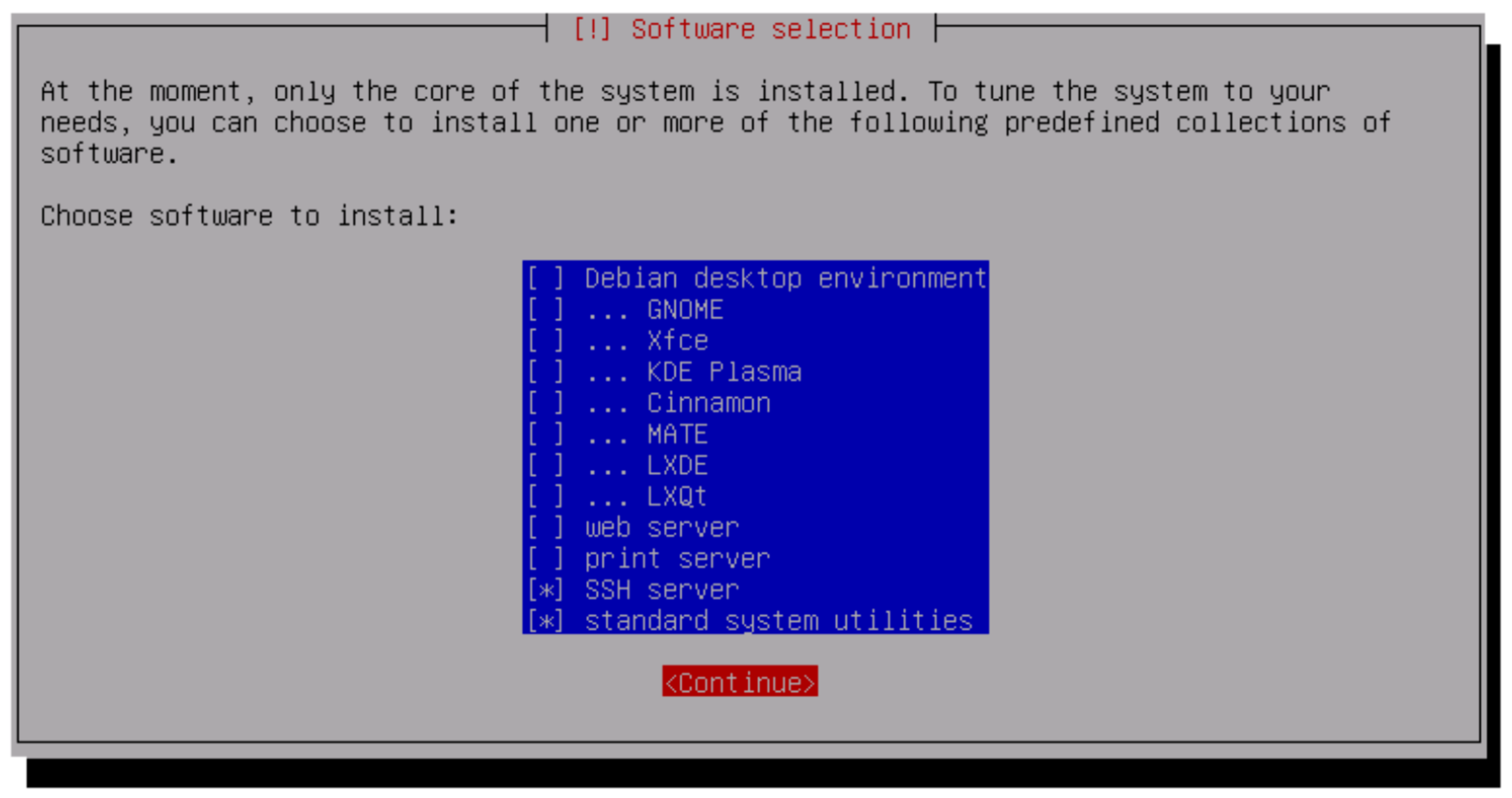
- do not select a GUI like GNOME or similar
- make sure to select the SSH server, since it is the most convenient way of executing the needed installation commands for the later on pyCANdo installation
Connect through SSH
Open a terminal after the installation finished Connect with the configured username and hostname, and then run the required installation check
ssh username@hostnamecurl -fsSL --proto '=https' --proto-redir '=https' https://service.pycando.com/pcdup/install.sh | bash -s -- pcdi_EduM5QkBl0v9w0ZuY3tbSsxCcVk_MIyk_wyebIkqvU8Wait for reboot
After running the command, the device downloads and installs pyCANdo, then reboots. A follow-up installation of further components occurs in the background. Depending on your device's performance, this can take several minutes.
Import the pyCANdo certificate into your web browser
To allow for a secure connection via the web browser, a certificate issued for the hostname was downloaded onto your pyCANdo device during installation. For this to work, you will need to add the public pyCANdo certificate to your web browser.
You can test for a finished installation by trying to connect to https://<device_hostname>/pycando
A connection attempt using the IP address, such as https://192.168.178.42/pycando, will not work for a secure connection since certificates can't be issued for IP addresses.